


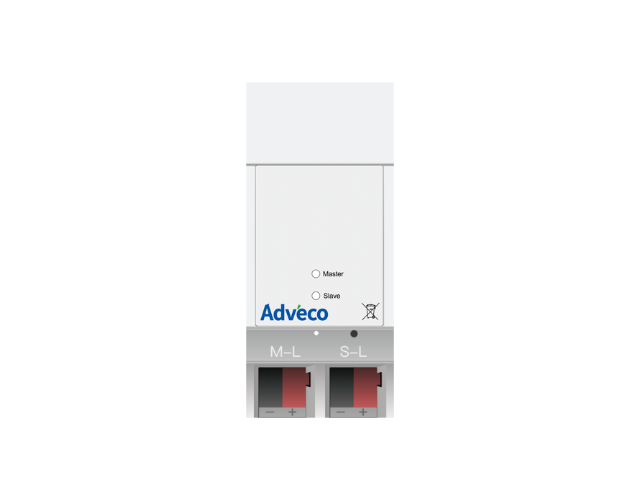
Line coupler
It can be used for communication connections and current isolation (coupler) between KNX topological lines, and has an address filtering function; it can also be used as a line extension repeater for a single branch line.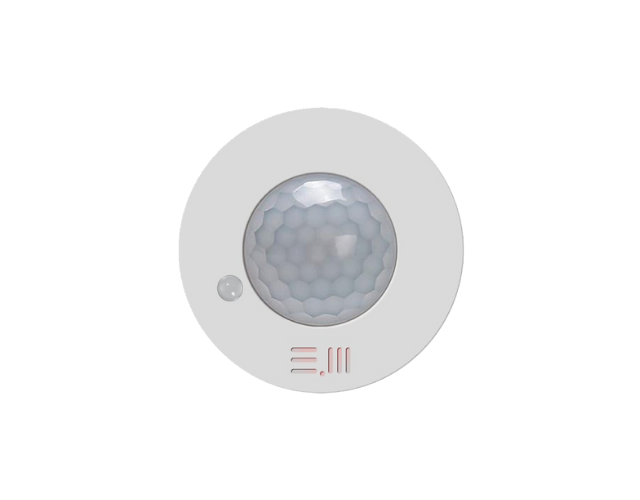
Infrared motion sensor
It can detect indoor movement and send control signals via KNX. When performing brightness-related motion recognition for the lighting control system, the device continuously monitors the indoor brightness.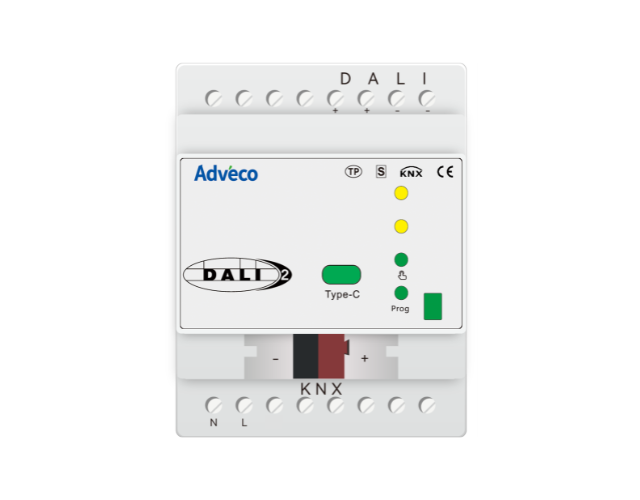
DALI Gateway
The KNX & DALI gateway serves as the interface between the KNX system and the DALI system. Through this gateway, messages from the KNX bus can be converted into information that can be recognized by DALI devices.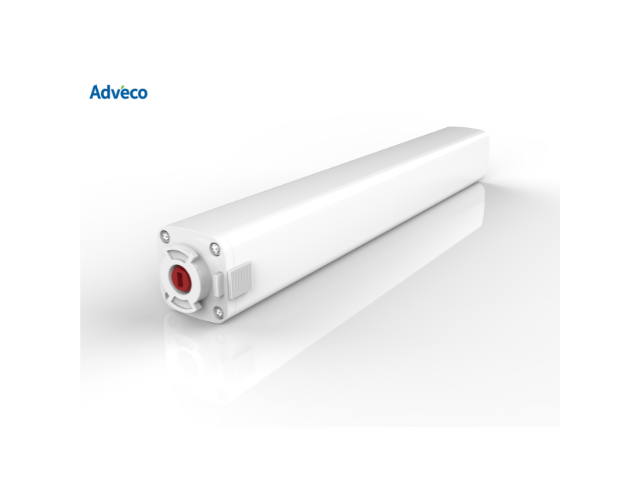
Sliding blind motor
The motor is equipped with a KNX interface and supports control functions such as opening and closing, stopping, travel, and reversing. It also features manual start, gentle opening and closing, and stopping upon encountering resistance.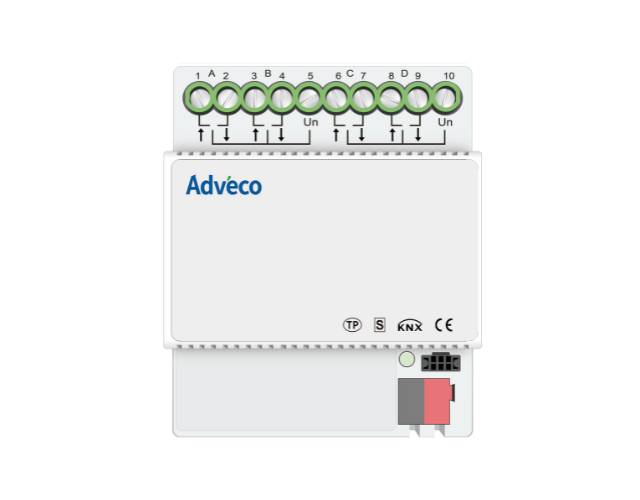
Curtain module
The roller shutter or curtain drive device for 230V AC motors is independently controlled. The function of the roller shutter circuit can be configured arbitrarily in the software.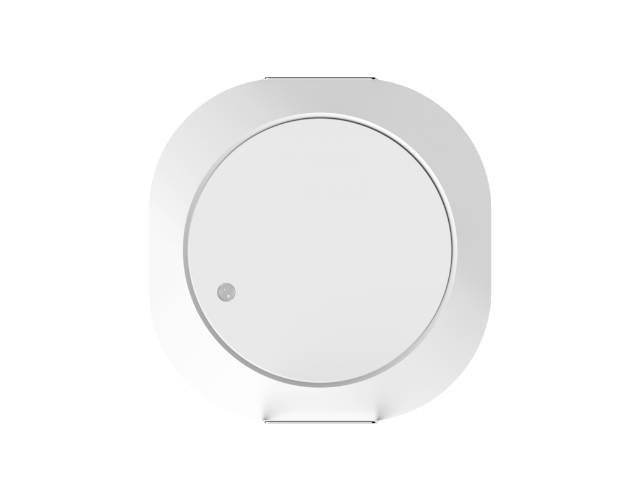
Existence of sensors
The human body has sensors that utilize 24G millimeter-wave Doppler radar to detect human biological movements, enabling the detection of whether there is a person or not in a specific area. It also has a light intensity detection function.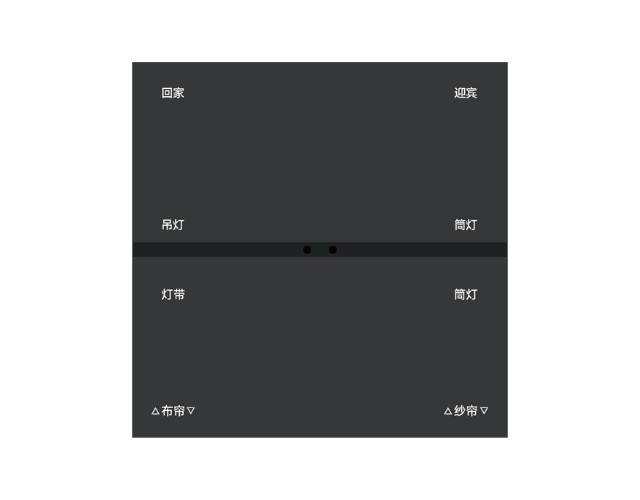
Eight-key intelligent panel
The intelligent panel is a KNX system control panel. Each button can be set for different functions according to specific requirements, such as opening and closing, dimming, curtain control, sending numerical values, and scene control, etc.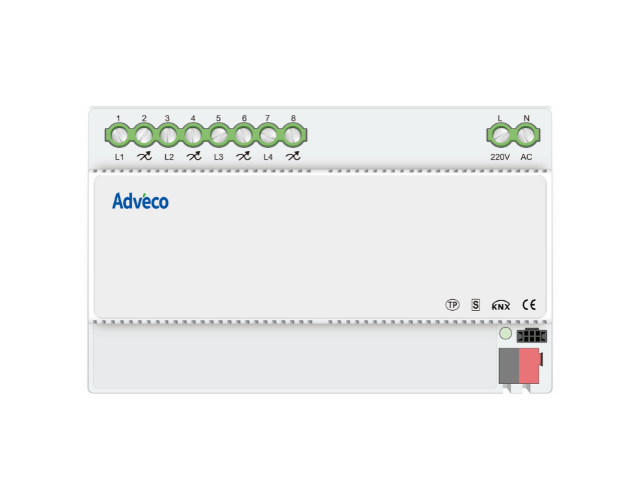
Switch control module
The switch control module is widely used in intelligent lighting control systems of various building types, such as airports, railway stations, schools, hospitals, office buildings, and high-end residences, etc.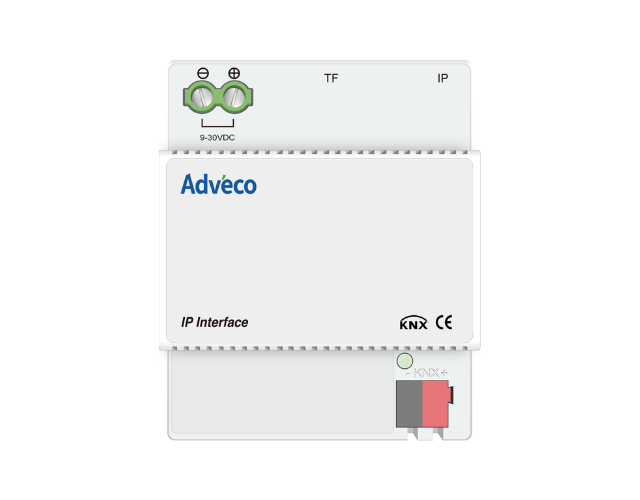
IP Gateway
It has routing function and can be used as a fast trunk to forward message control signals between different branch lines through the local area network (IP).